


Benefits of Eco-Friendly Home Building: A Practical Guide to Building with Mavericks Builders
- Mavericks Builders Inc
- Dec 9, 2025
- 4 min read

Building a home today in Napa or the San Francisco Bay Area means more than just putting up walls and a roof. It involves making choices that affect your comfort, your wallet, and the environment. I have found that eco-friendly home building offers many advantages that go beyond the obvious. It’s about creating a living space that is efficient, sustainable, and tailored to modern needs. In this post, I will share insights on why choosing eco-friendly methods and materials can be a smart decision for your next project.
Why Choose Eco-Friendly Home Building?
Eco-friendly home building focuses on reducing the environmental impact of construction and operation. This approach uses sustainable materials, energy-saving designs, and efficient systems. When you opt for eco-friendly home building, you are investing in a healthier living environment and long-term savings.
One key benefit is improved indoor air quality. Using non-toxic materials and proper ventilation reduces allergens and pollutants. This creates a safer space for you and your family. Additionally, eco-friendly homes often feature better insulation and windows, which help maintain a comfortable temperature year-round.
Another advantage is the reduction in utility bills. Energy-efficient appliances, solar panels, and smart thermostats lower your energy consumption. Over time, these savings can offset the initial investment in green technologies. Plus, many local governments offer incentives or rebates for sustainable building practices.
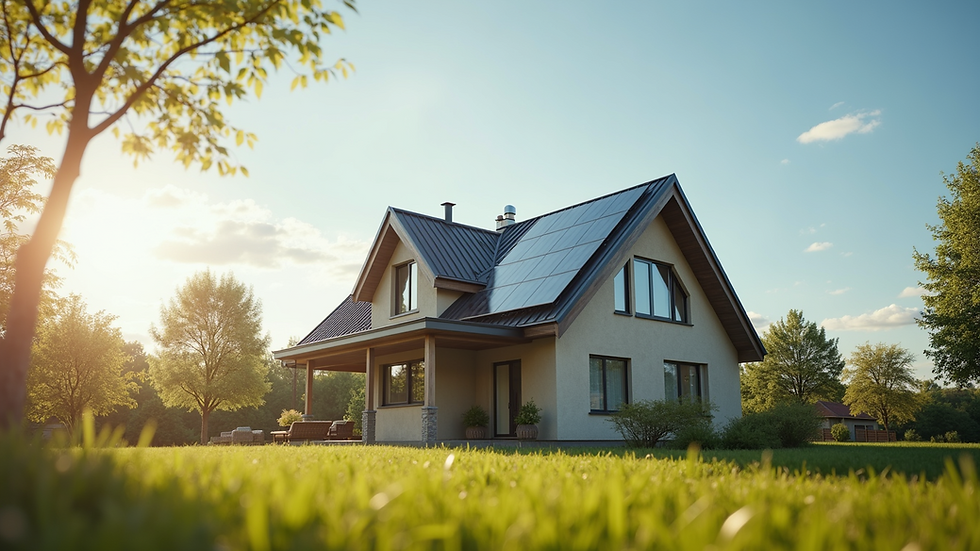
Solar panels are a common feature in eco-friendly home building, reducing reliance on non-renewable energy.
Key Features of Eco-Friendly Home Building
When planning an eco-friendly home, several features stand out as essential. These elements work together to create a sustainable and efficient living space.
Energy-efficient windows and doors: These reduce heat loss in winter and keep the home cool in summer.
High-quality insulation: Proper insulation in walls, floors, and ceilings minimizes energy waste.
Water-saving fixtures: Low-flow toilets, faucets, and showerheads help conserve water.
Sustainable materials: Using recycled, reclaimed, or rapidly renewable materials reduces environmental impact.
Renewable energy systems: Solar panels or wind turbines can provide clean energy.
Smart home technology: Automated systems optimize energy use and improve comfort.
Incorporating these features requires careful planning and expert guidance. Working with a contractor experienced in energy efficient home construction ensures that your home meets high standards for sustainability and performance.

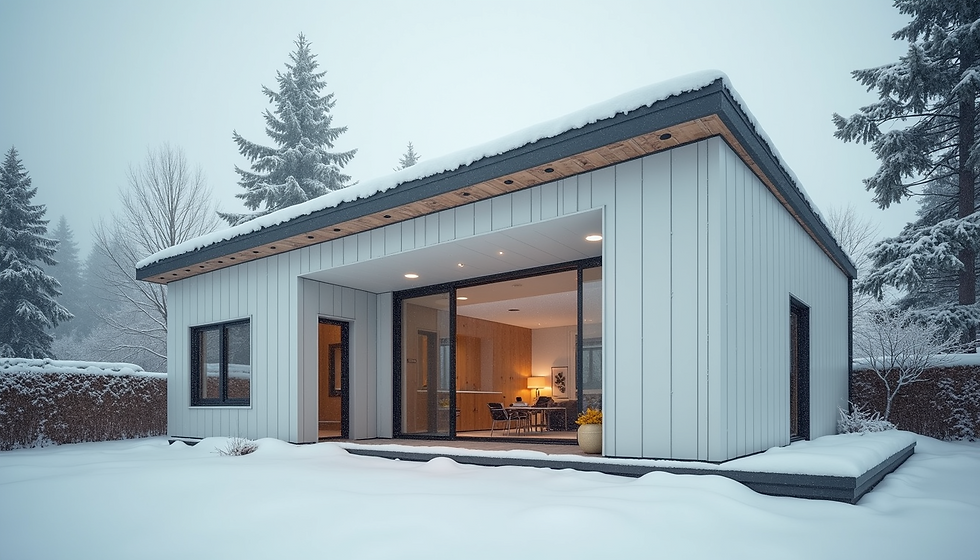
Eco-friendly building materials help reduce environmental impact and improve home durability.
Long-Term Financial Benefits of Sustainable Homes
Many people hesitate to invest in eco-friendly home building because of perceived higher upfront costs. However, the long-term financial benefits often outweigh the initial expenses.
Lower utility bills: Energy-efficient homes use less electricity, gas, and water.
Increased property value: Sustainable homes are attractive to buyers and often sell for more.
Reduced maintenance costs: Durable materials and systems require fewer repairs.
Tax credits and incentives: Many states and municipalities offer financial benefits for green building.
For example, installing solar panels can significantly reduce or even eliminate your electricity bill. Over 20 years, this can add up to tens of thousands of dollars in savings. Similarly, high-quality insulation and windows reduce heating and cooling costs, which are major expenses in any home.
By thinking long-term, you can see that eco-friendly home building is not just good for the planet but also smart for your finances.
Enhancing Safety and Comfort with Sustainable Design
Sustainability is not only about energy and cost savings. It also improves the safety and comfort of your home. Fire-resistant materials, for instance, are increasingly important in areas prone to wildfires, such as the Bay Area.
Using non-toxic paints and finishes reduces indoor air pollution. Proper ventilation systems prevent moisture buildup, which can cause mold and structural damage. These factors contribute to a healthier living environment.
Comfort is enhanced through better temperature regulation and noise reduction. Well-insulated walls and windows keep your home quiet and cozy. Smart thermostats and automated shading systems adjust conditions to your preferences without wasting energy.
By choosing eco-friendly home building, you create a space that supports your well-being every day.
Taking the Next Step Toward Your Sustainable Home
Building an eco-friendly home is a rewarding journey. It requires thoughtful decisions and expert support. If you are ready to explore options, start by consulting with a trusted general contractor who specializes in sustainable construction.
Look for professionals who understand local building codes, climate challenges, and green technologies. They can help you design a home that fits your lifestyle and budget while meeting high standards for energy efficiency and safety.
Remember, every choice you make—from materials to systems—adds up to a better home and a healthier planet. By embracing eco-friendly home building, you invest in a future that benefits you and generations to come.
If you want to learn more about energy efficient home construction, consider reaching out to experts who can guide you through the process with confidence.
Building a sustainable home is more accessible than ever. With the right knowledge and support, you can create a space that is efficient, comfortable, and kind to the environment. Take the first step today and enjoy the many benefits of eco-friendly home building.


Comments